
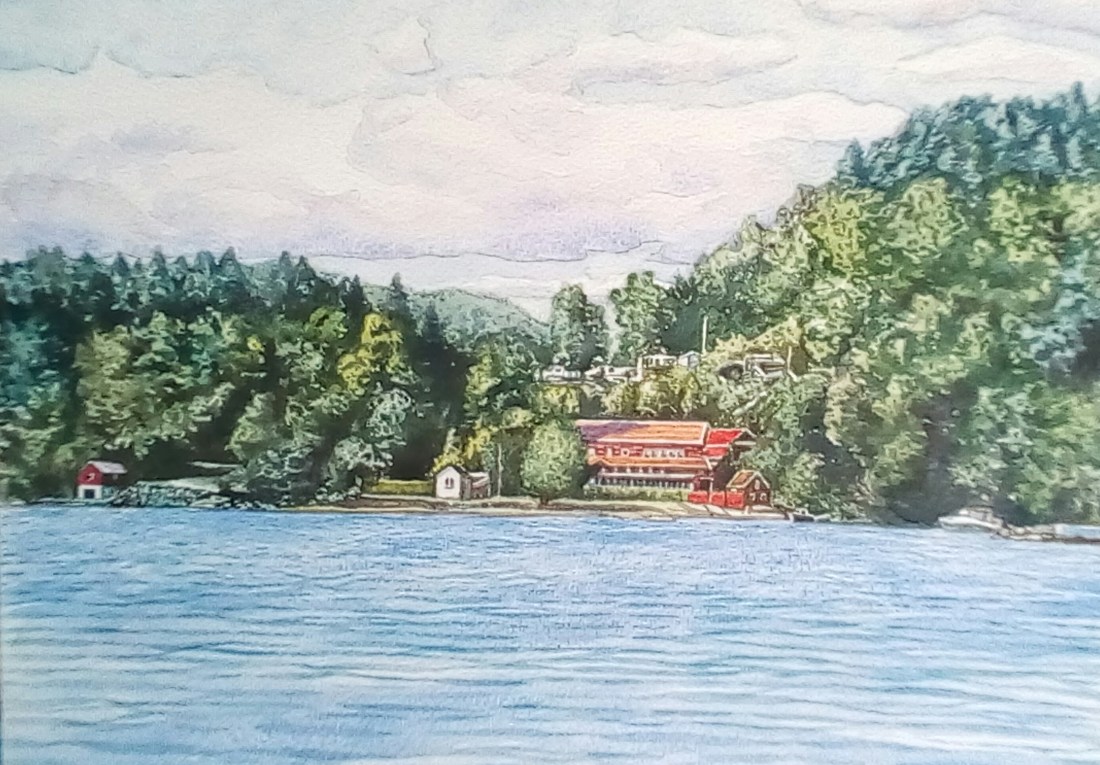
I had the great fortune of spending the month of September at the Isefjærlieren Naturist Center, situated cozily at the northern-most tip of Isefjærfjorden , a five kilometer fjord from the southern coast of Norway near Kristiansand. That’s right; I did say “Naturist Center”. Depending on your background and where you might come from, this term can easily be misconstrued, so let’s be clear from the start. This is a nudist camp. Despite what you may feel concerning the “naturist lifestyle”, the people themselves are quite wonderful, carrying with them a great exuberance of life and for others around them, as you can well imagine, clothes or no clothes. The average naturist will tell you that without clothes, the status between genders is quite level. Your pride has been stripped. No one stands higher than the other on any eschelon.
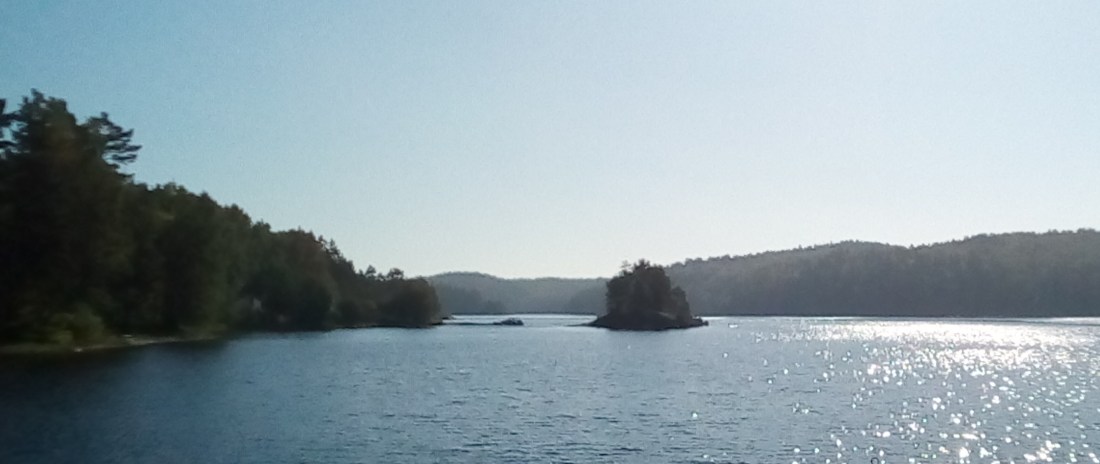
My personal feeling on the matter remain ambivalent. Whatever anyone else does is their business, and more power to them. Freedom of expression, I say. As for shedding my own clothes in public, I admit to more than a few misgivings, but coming to Isefjær in September, I have certainly gotten off the proverbial hook. We were lucky to enjoy some beautiful, sunny days at the beginning of the month where one could spot the rare late-season naturist in his or her natural habitat, but for the most part, the nights cooled off dramatically, the Autumn rains came, and the inhabitants of Isefjærlieren put their clothes back on.
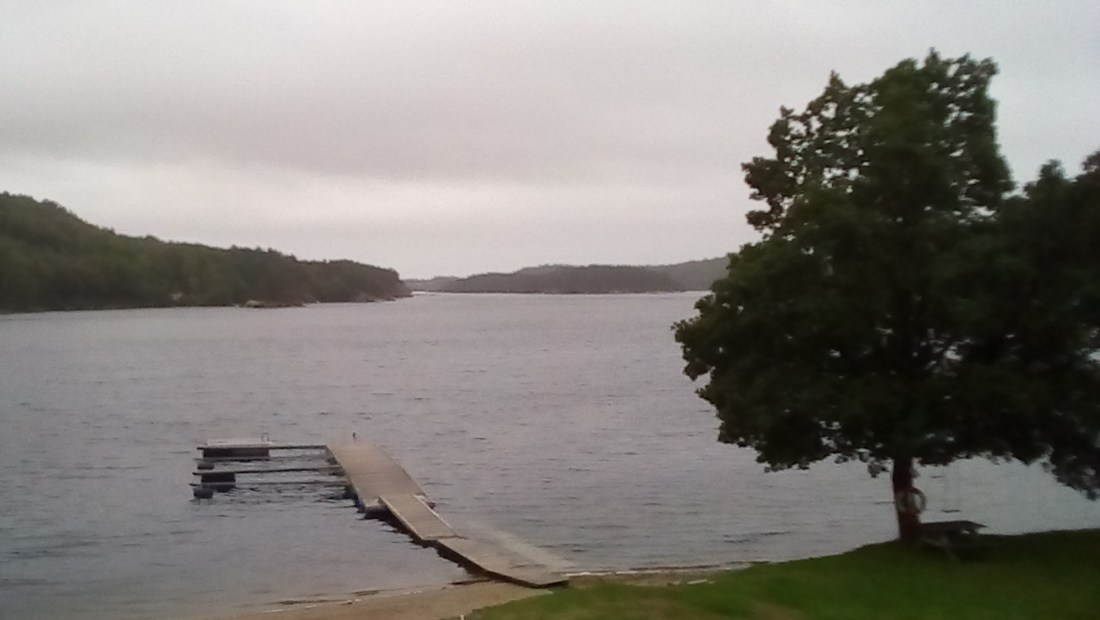
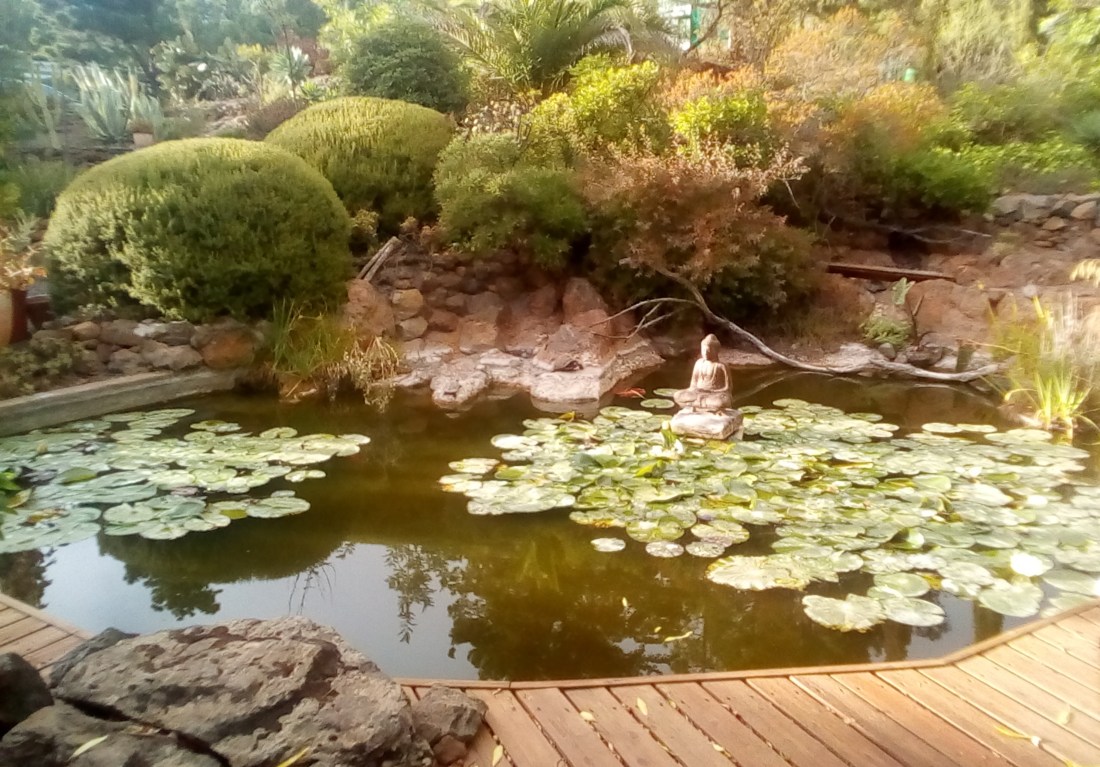
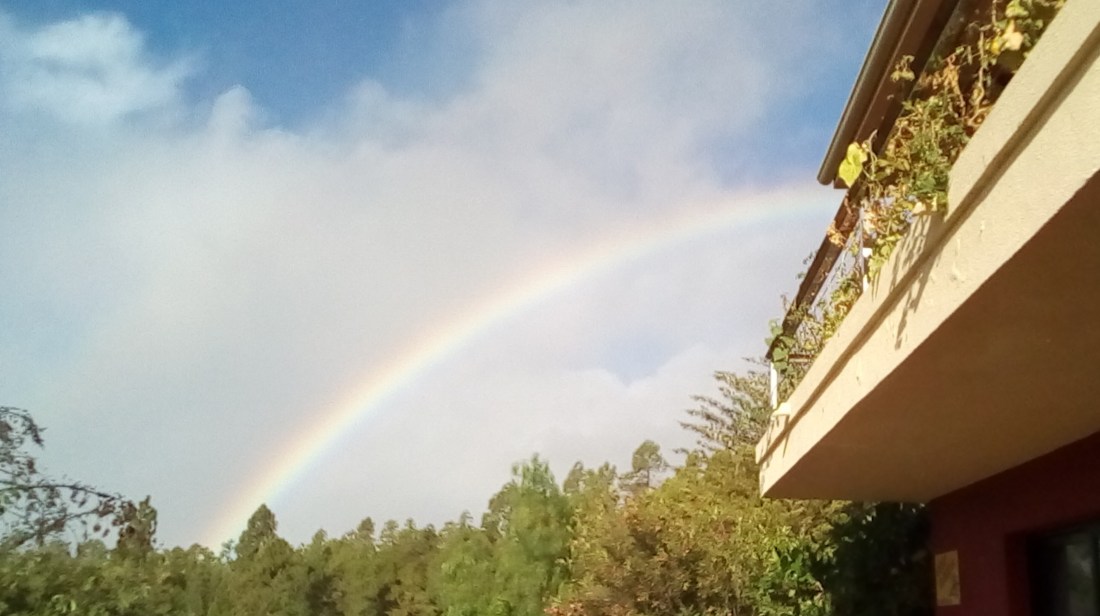
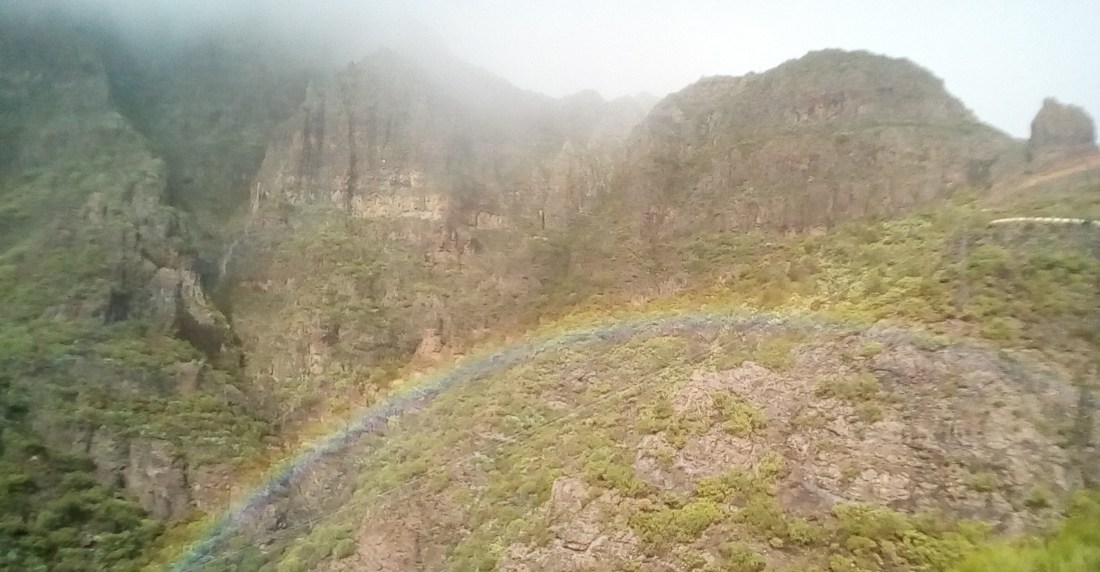
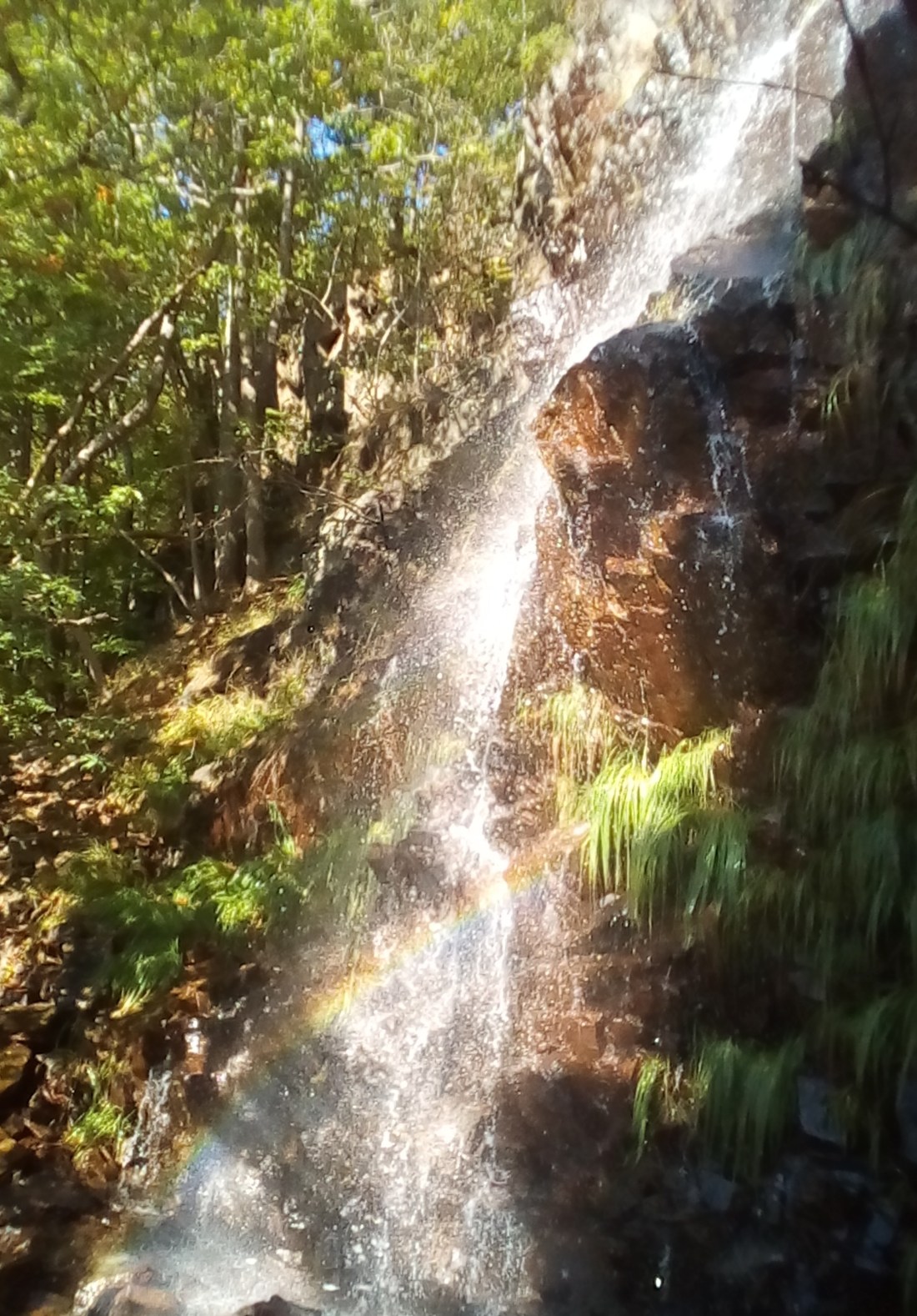
Many of the photos featured here are taken in the warm glow of the Norwegian sun, simply because of my proclivity to be outside in less inclement weather, but make no mistake, Norway has its share of rain clouds. It will rain off and on for four days, and then shine bright for one. Most clouds in Scandinavia, that I’ve seen, seem to carry rain with it, even on a partly cloudy day. I’ve never been to a place where the sun will come out, and it it will start to rain, simply because the cloud that was obscuring the afternoon sun moved out of the way, and directly over you. Where I’m from, I might see two rainbows in a year. Here, I spotted three or four in one month.
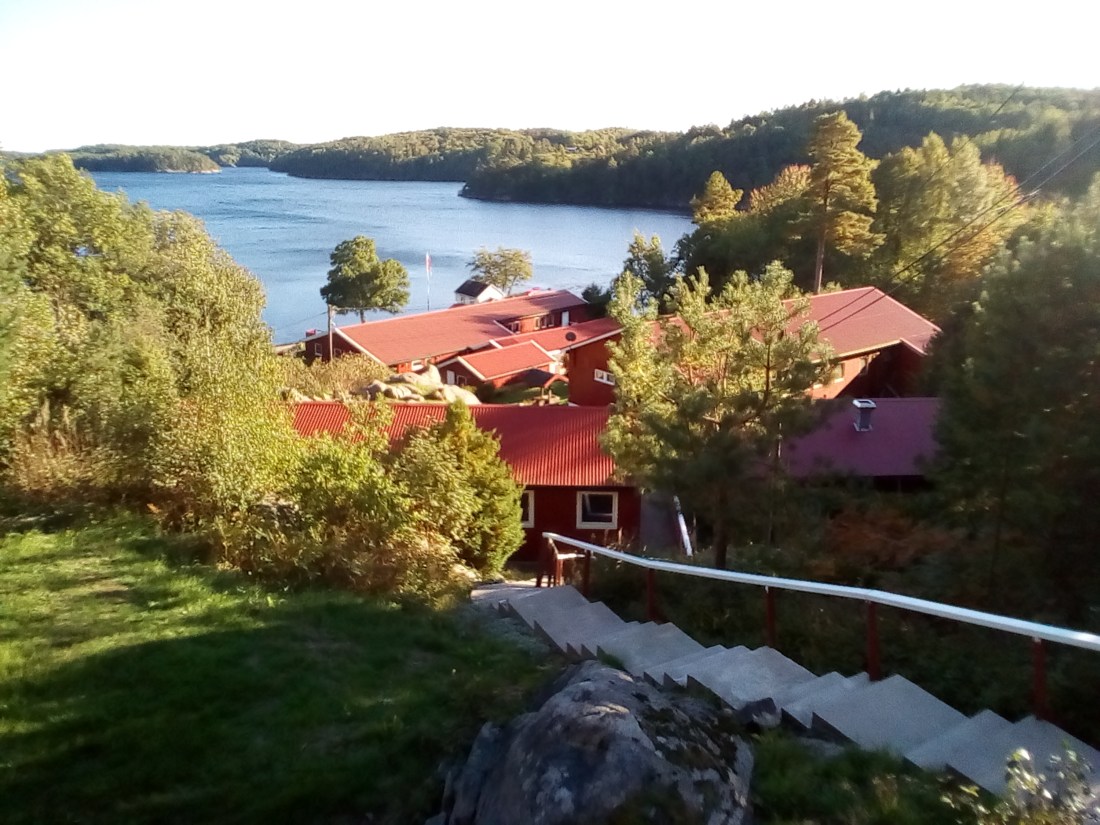
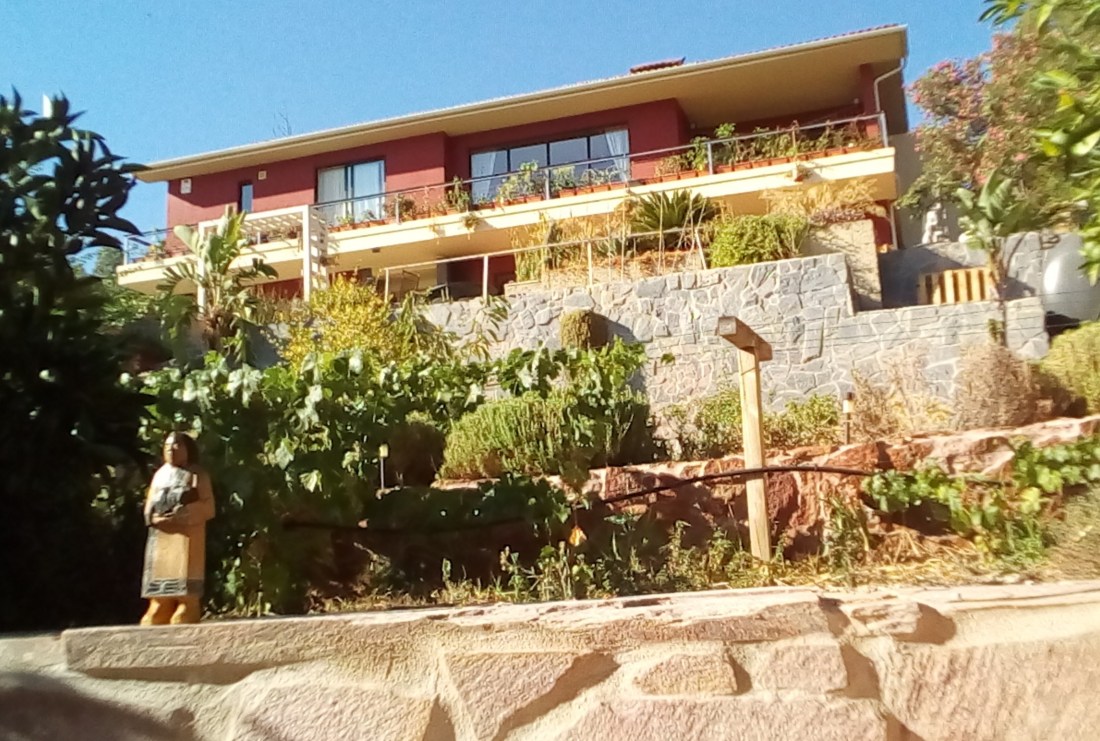
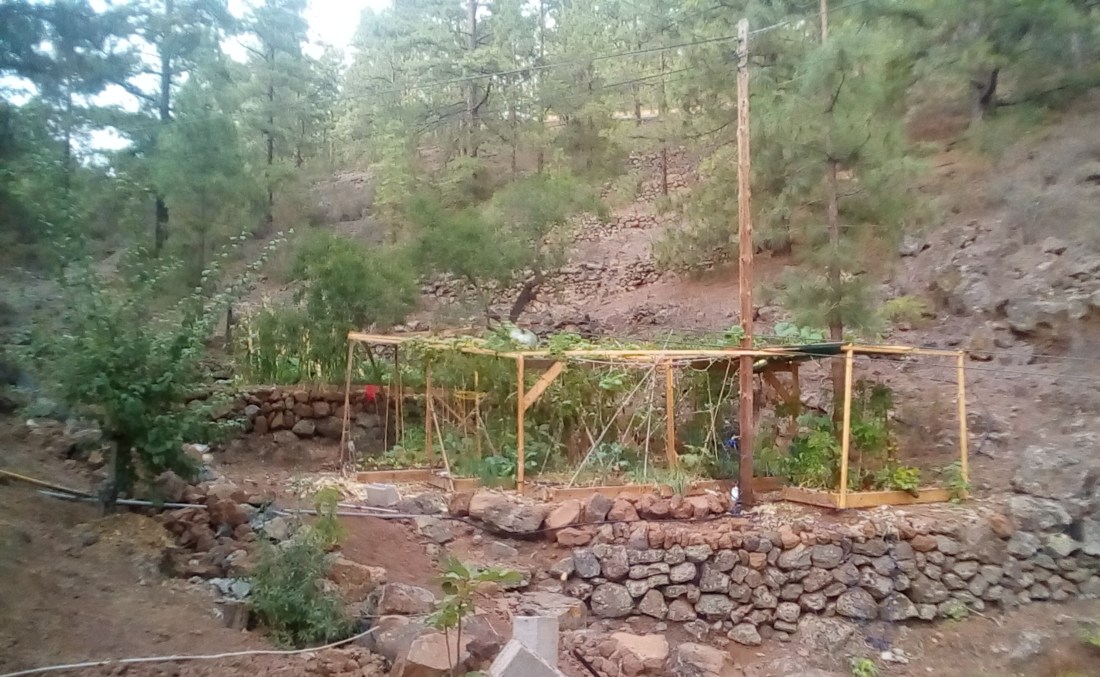
The entire camp rests on the side of a steep hill, much like most of the fjord shoreline, making the waters very deep. In essence, the three rentable room buildings, sauna/shower building, and 10 cabins, including a small caravan camp at the top, makes Isefærlieren somewhat of a small cliff-dwelling village. The place is overseen by a naturist board that makes all of the final decisions, but the center is run full-time by its loyal, hardworking caretakers, Thor and Alison with their two fantastic dogs Roger and Piglet. They are two of the most interesting, intelligent individuals I’ve ever met. Both are English, but, of course, the mighty Thor is Norwegian on his father’s side. Their backgrounds are wonderfully diverse, lending to innumerable amounts of obscure and useful information. I could tell you more about this and their unique, global perspectives which such wide experience affords, but they would tell it far better than I. Needless to say, there has been no shortage of worthwhile and entertaining conversation here.
Thor and Alison are wonderful, welcoming hosts and are always happy to point you in the direction of the area’s points of interest, whether it be the Kristiansand Dyrepark, a popular zoo and amusement/water park only three kilometers away as the crow flies, or the municipality of Lillesand, a twelve kilometer drive from Isefjær where you can experience a traditional white-washed town of Sørlandet Norge (Southern Norway).
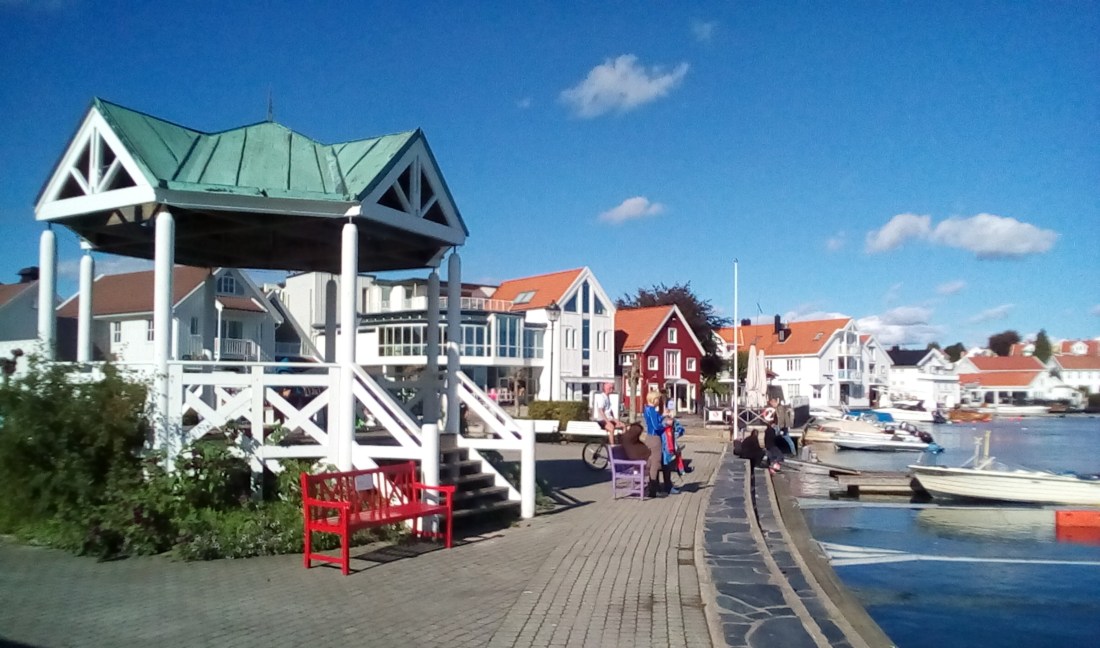
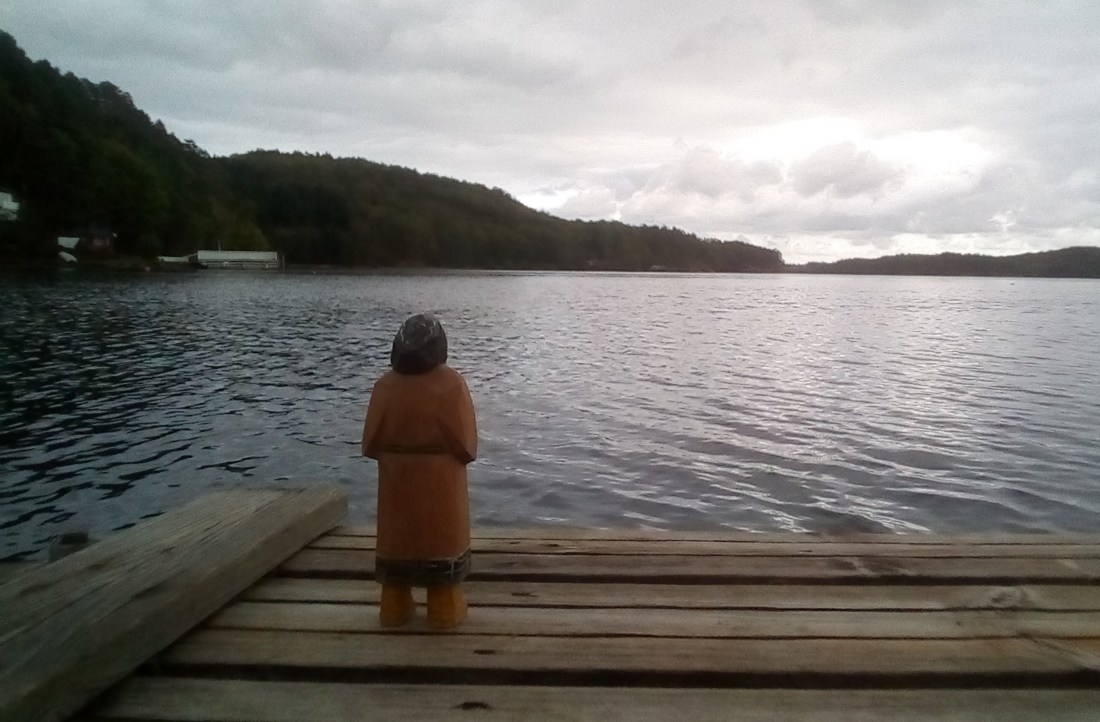
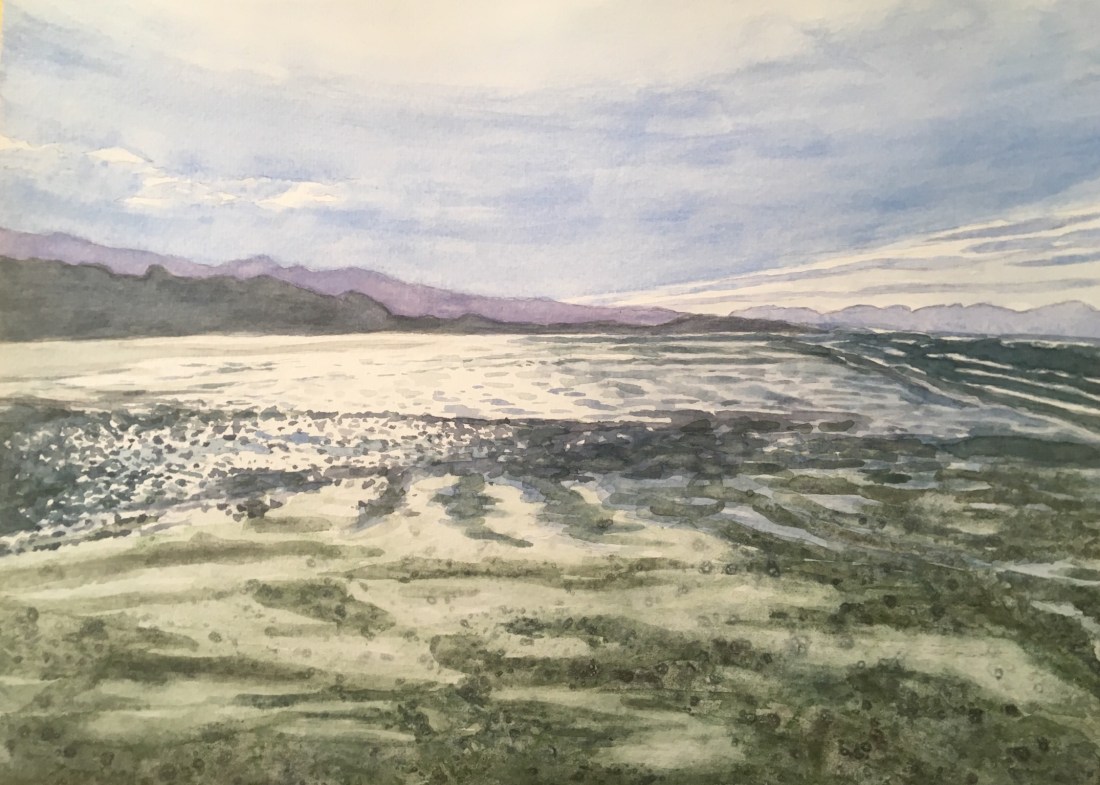
Personally, I was all too happy to explore the fjord itself, a few feet away. I swam; I fished; I kayaked. For a water nut like myself, this is nothing but a giant playground that stretches from the North Sea (which I did manage to kayak to), deep into the wilds of rural Norway. The many islands that dot the waterways are tiny, untouched worlds of gentle beauty, and the water is clean and clear. When I wasn’t on the fjord, I was hiking the surrounding hills, whose rocky landscape rivals any up and down drama of a theme park ride. I shall deeply miss my Isefjærfjorden.








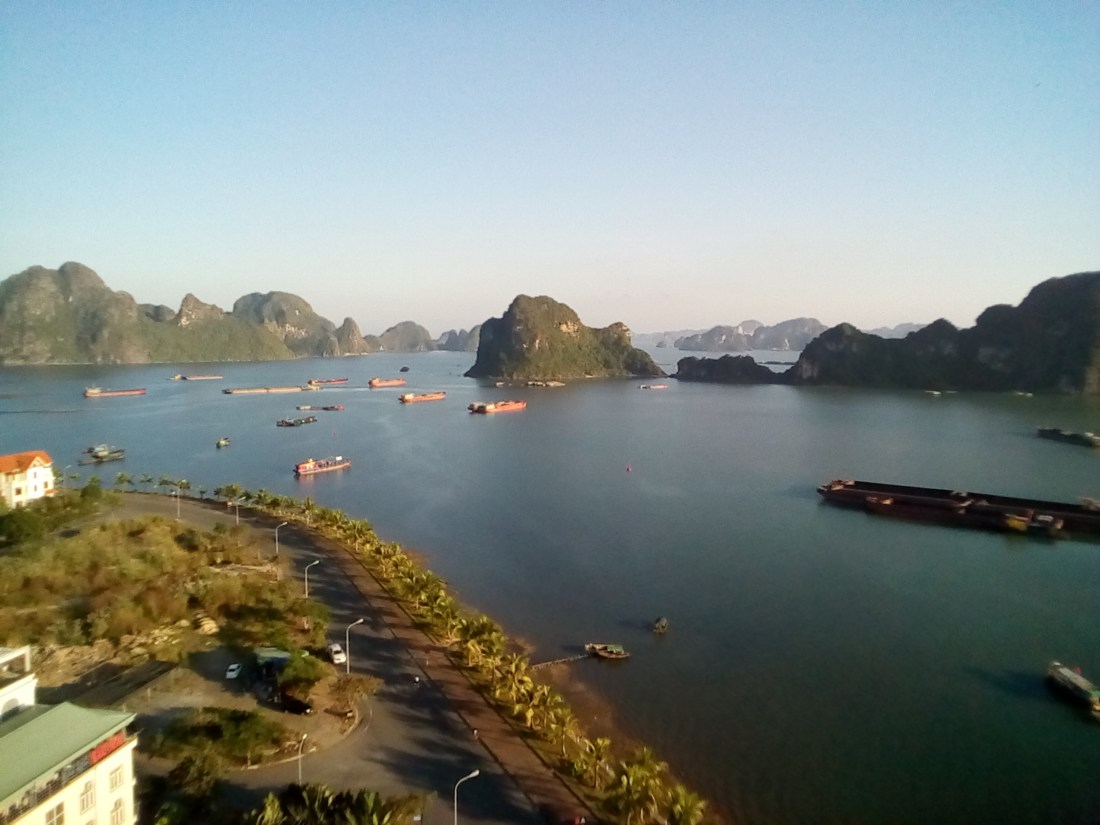
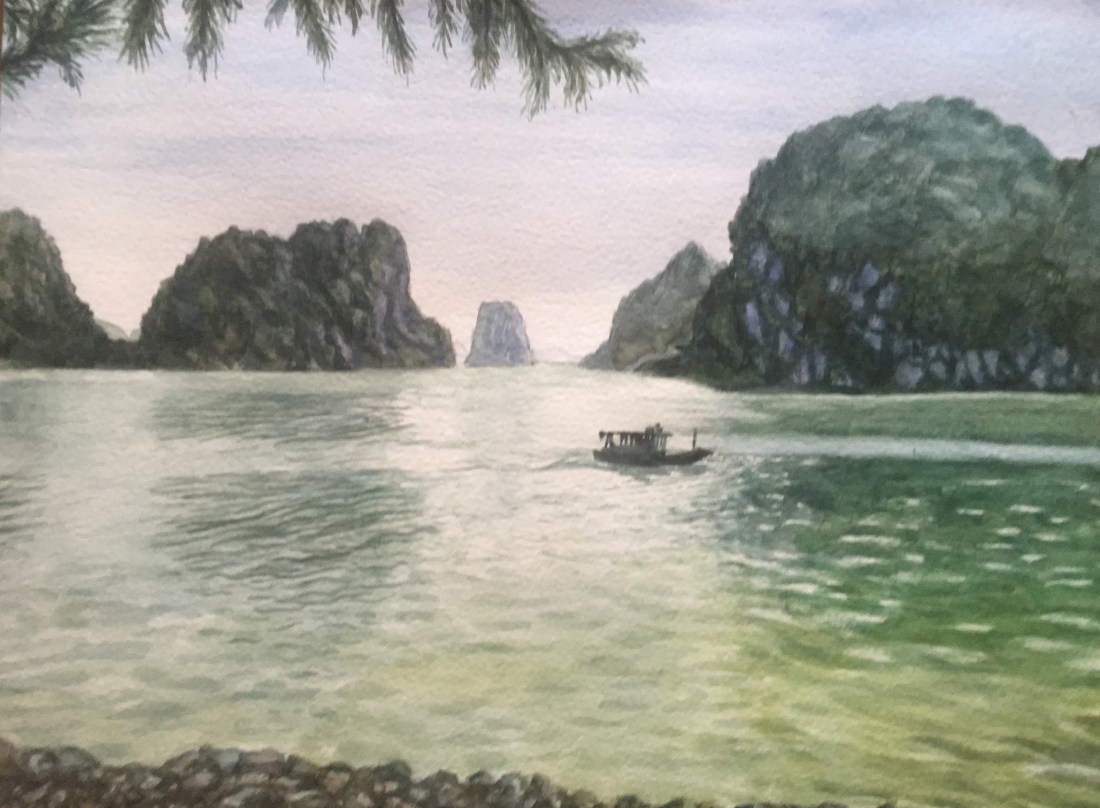
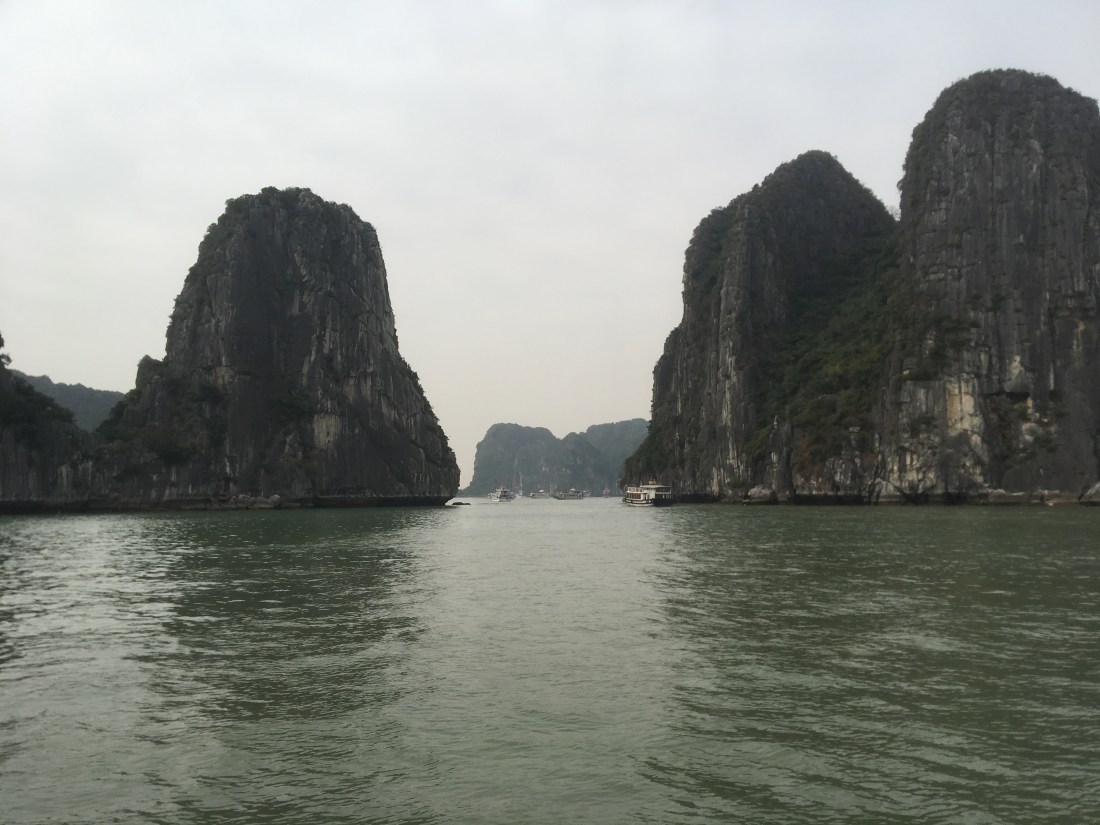
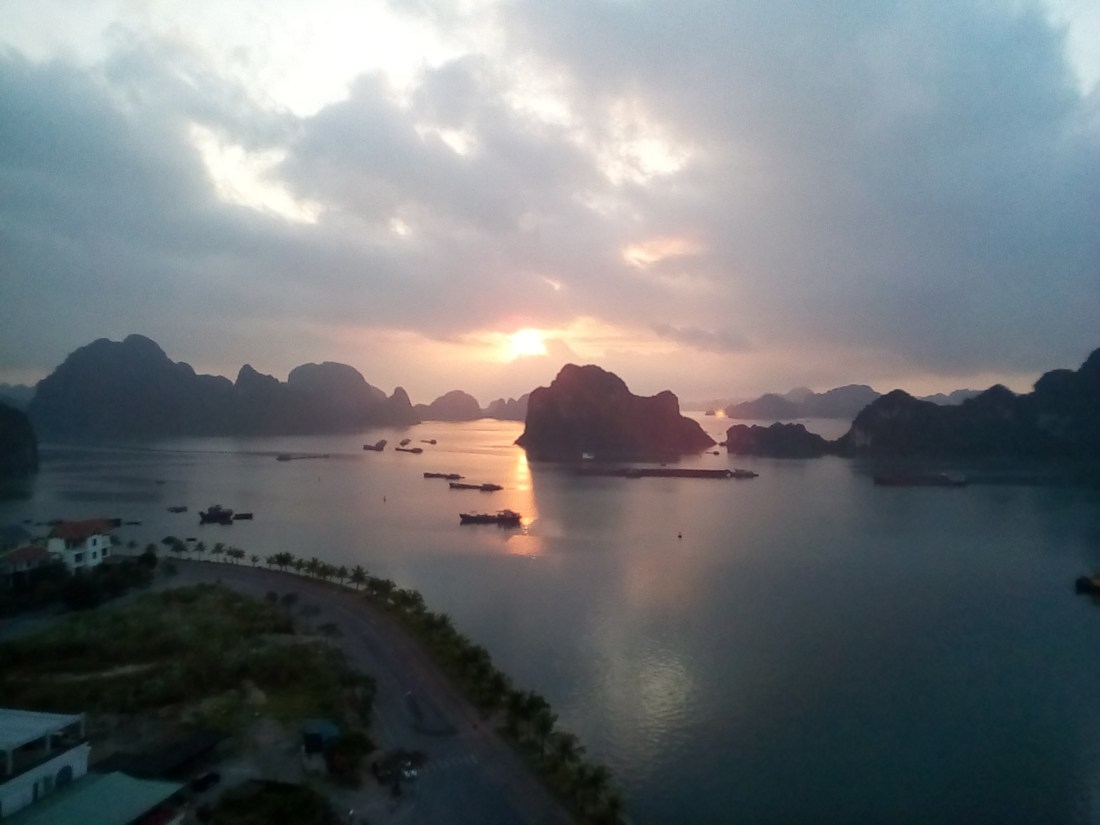 The bay is why I initially came here, but I never knew what I was getting into with Quynh and her family. They took me in as their own, sharing everything selflessly, to the point of making me question my strict sense of western, material ownership. Americans are selfish compared to most people in this country. Her extended family visited often and we visited them, all of Quynh’s five sisters and one brother, and their families, including “Ba” (Grandma), her eighty seven year old mother. Out of all of them, only Quynh and Hieu speak English, but this did not seem to diminish the connections I had with many of them, and it was also a great opportunity to work on my very weak Vietnamese.


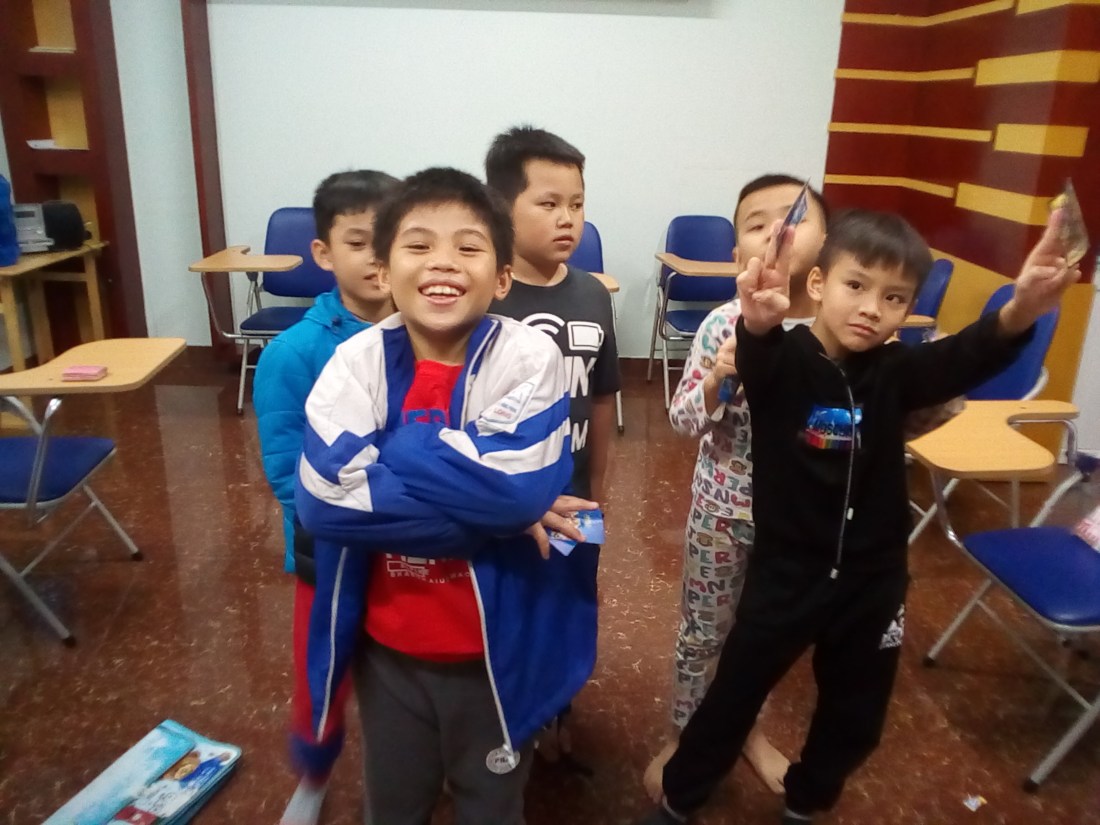
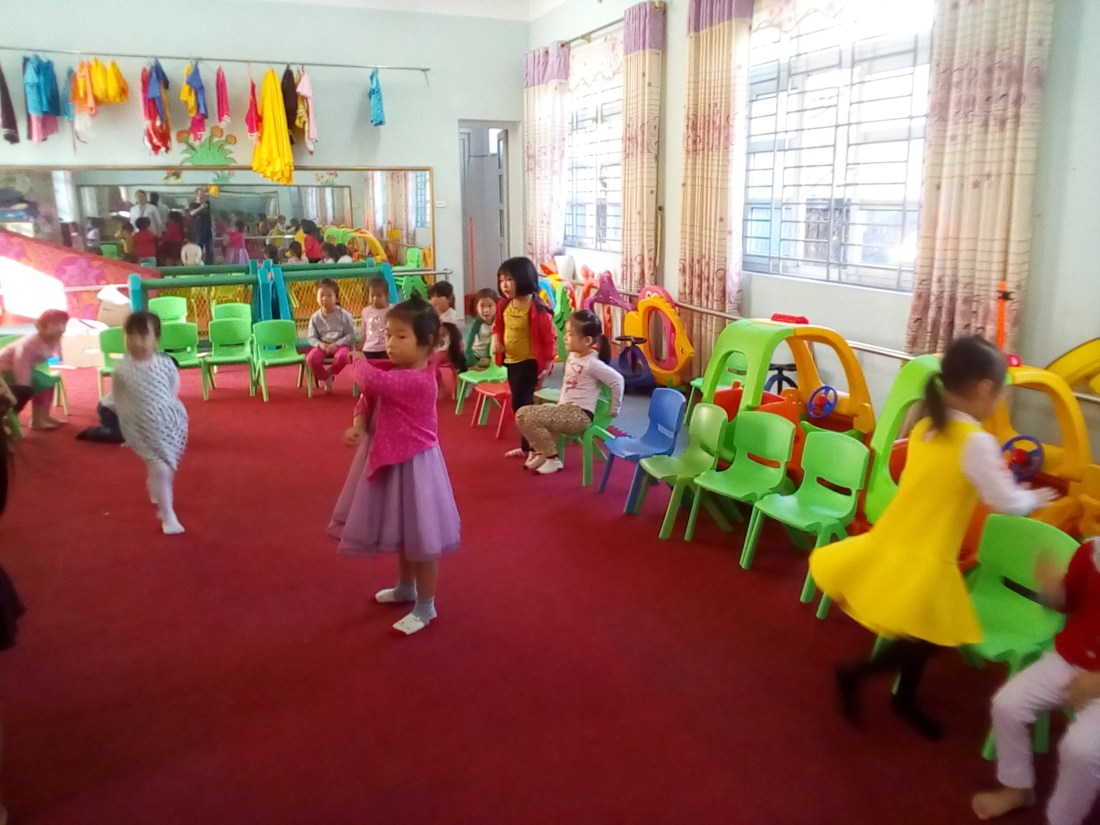


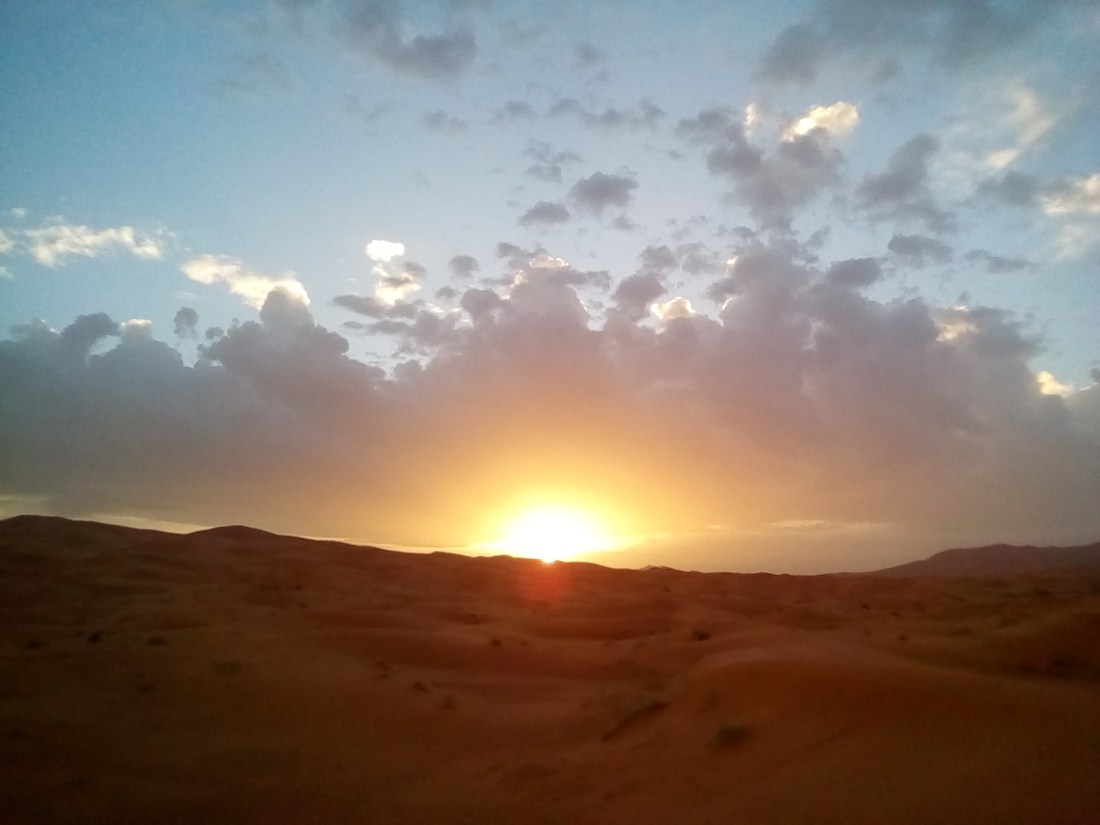
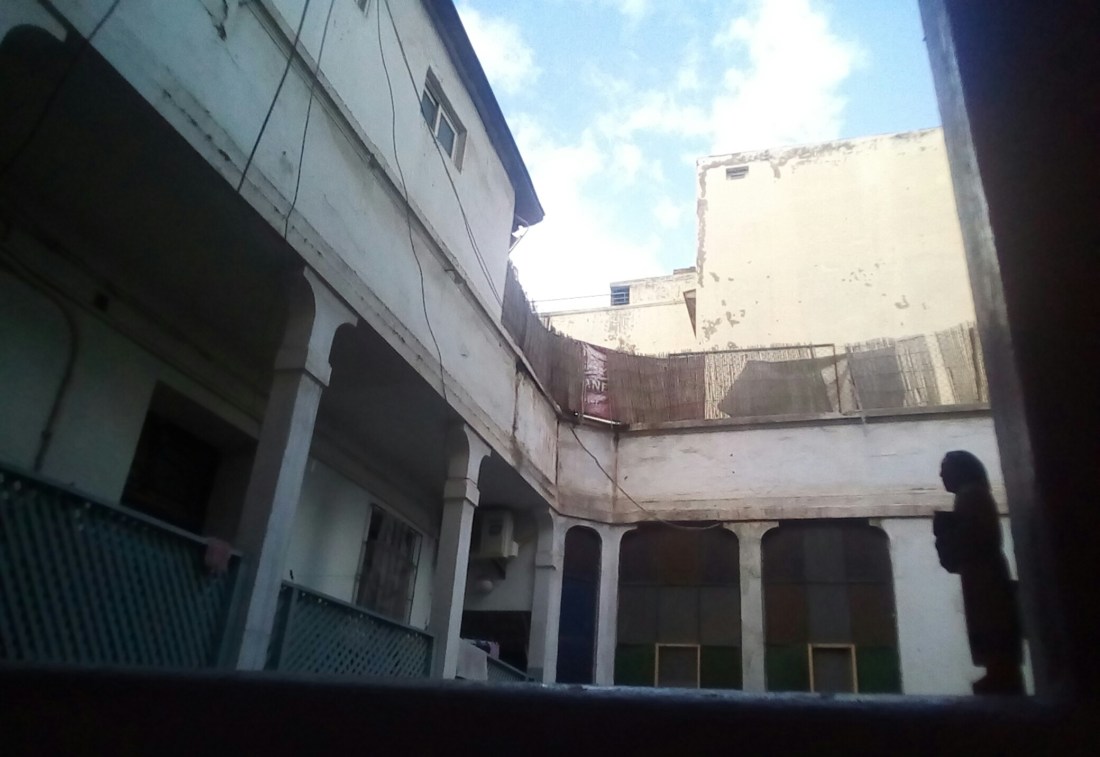
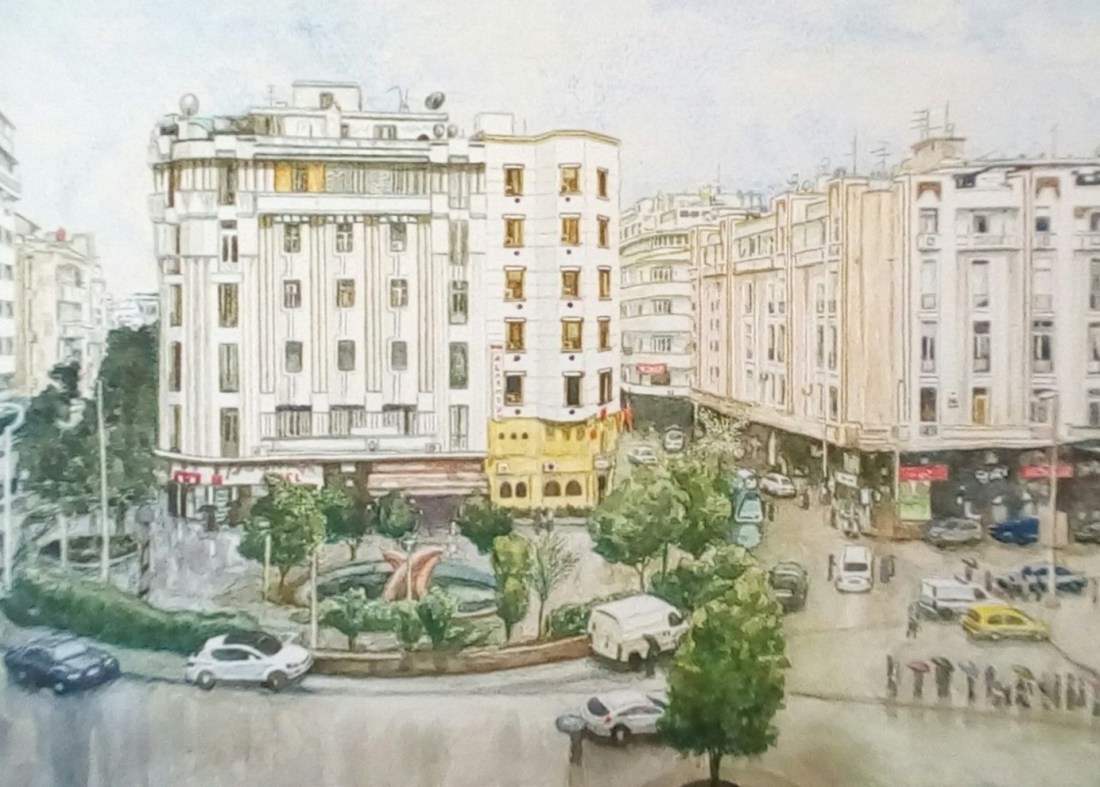
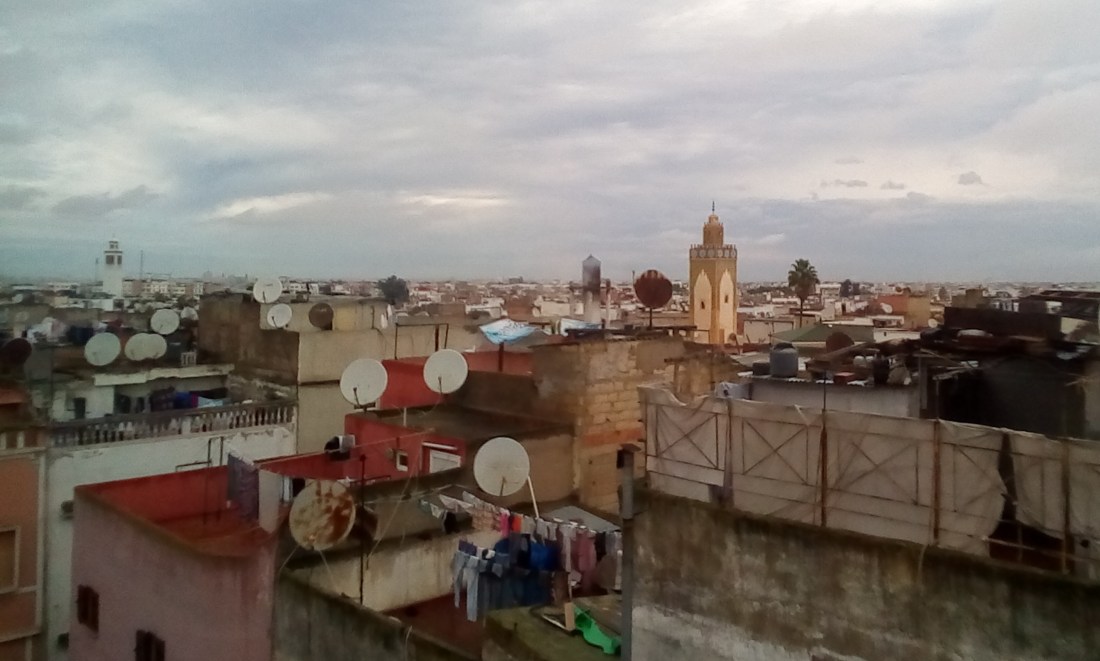
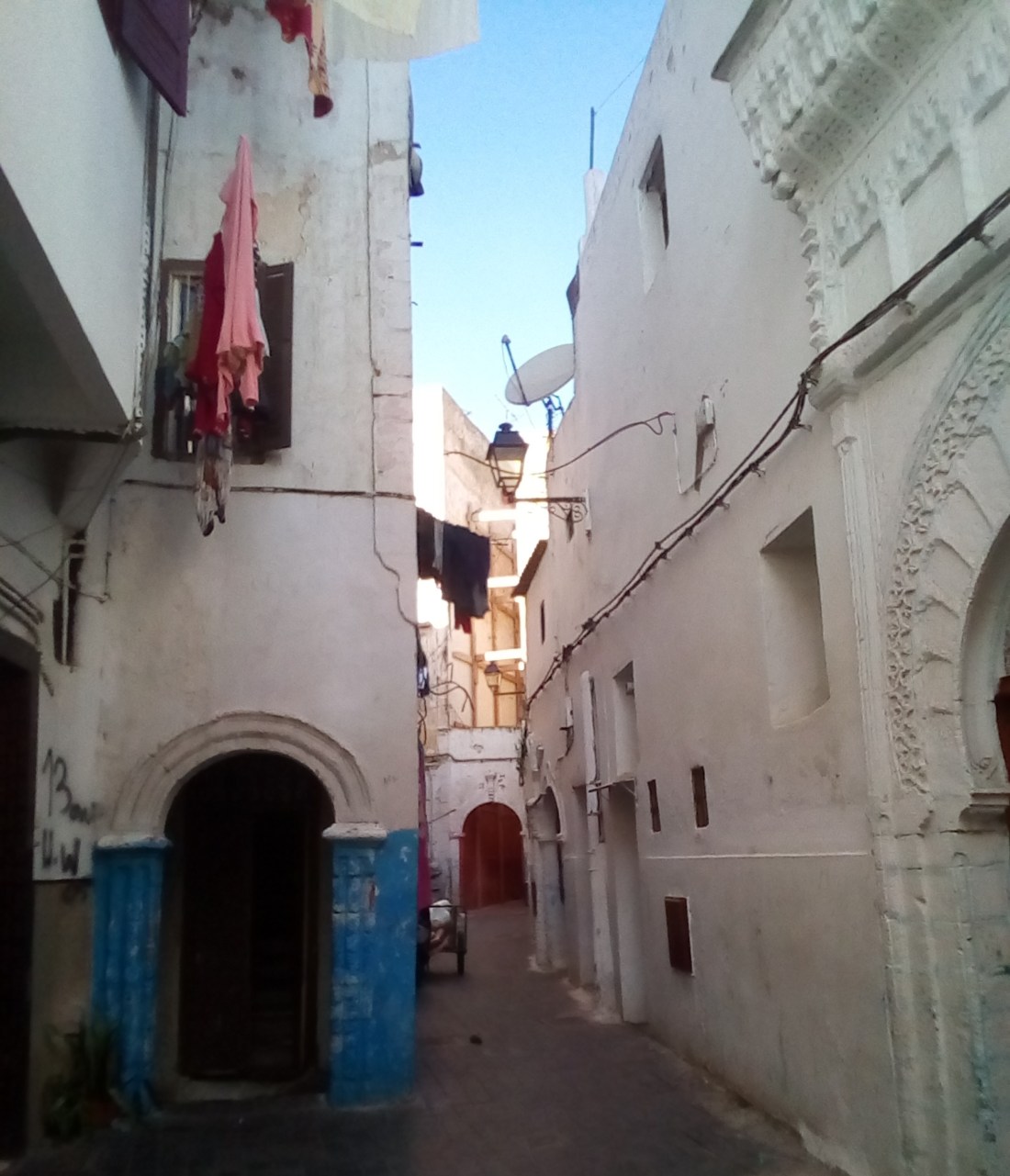
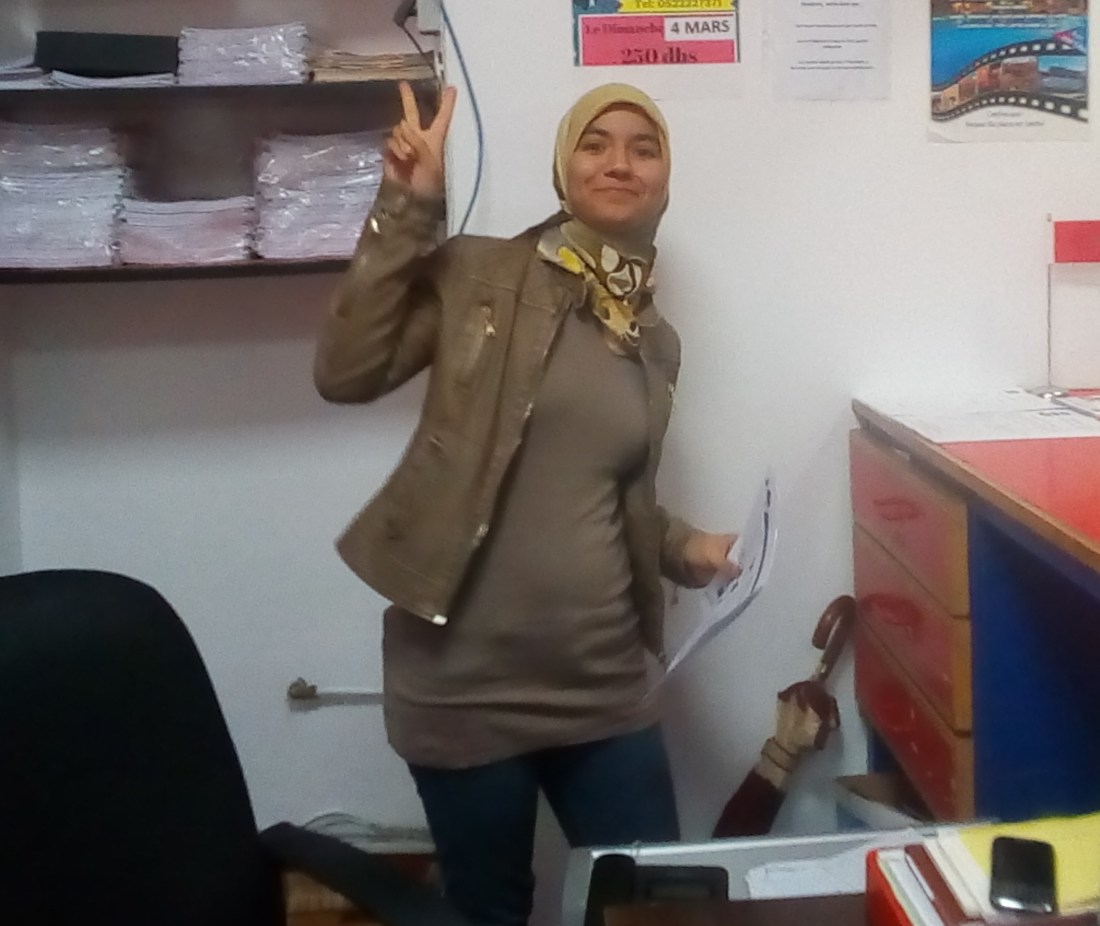
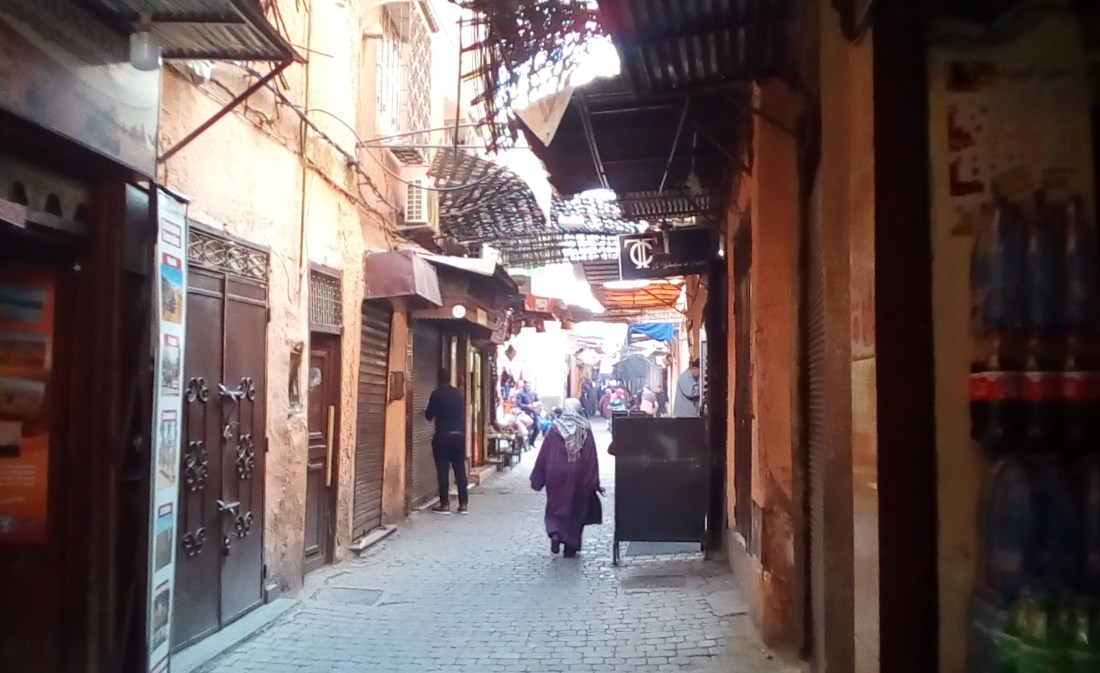
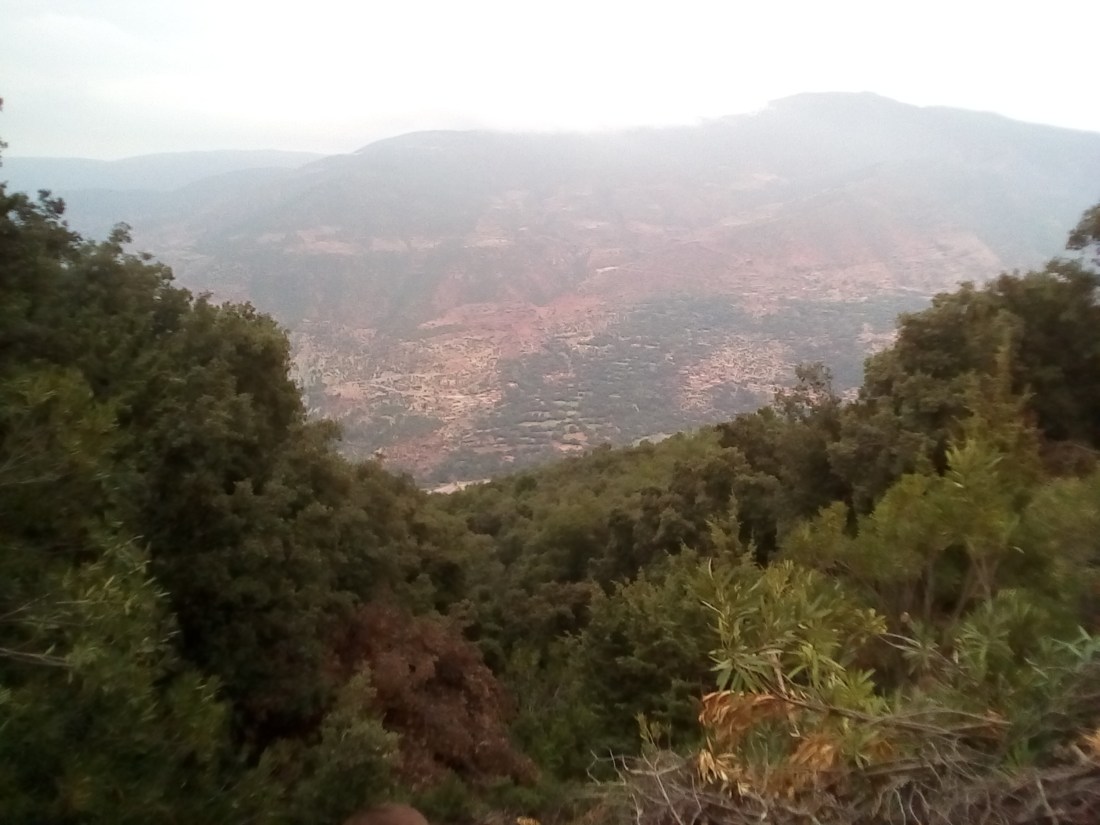
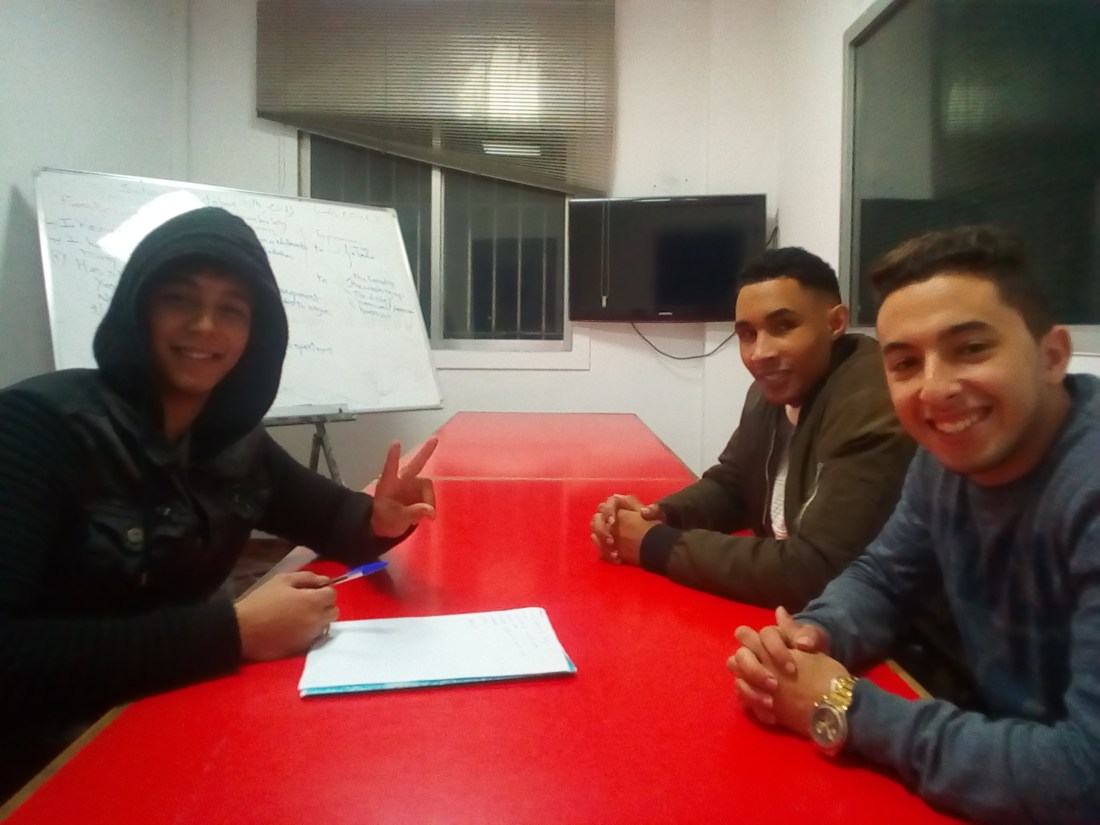
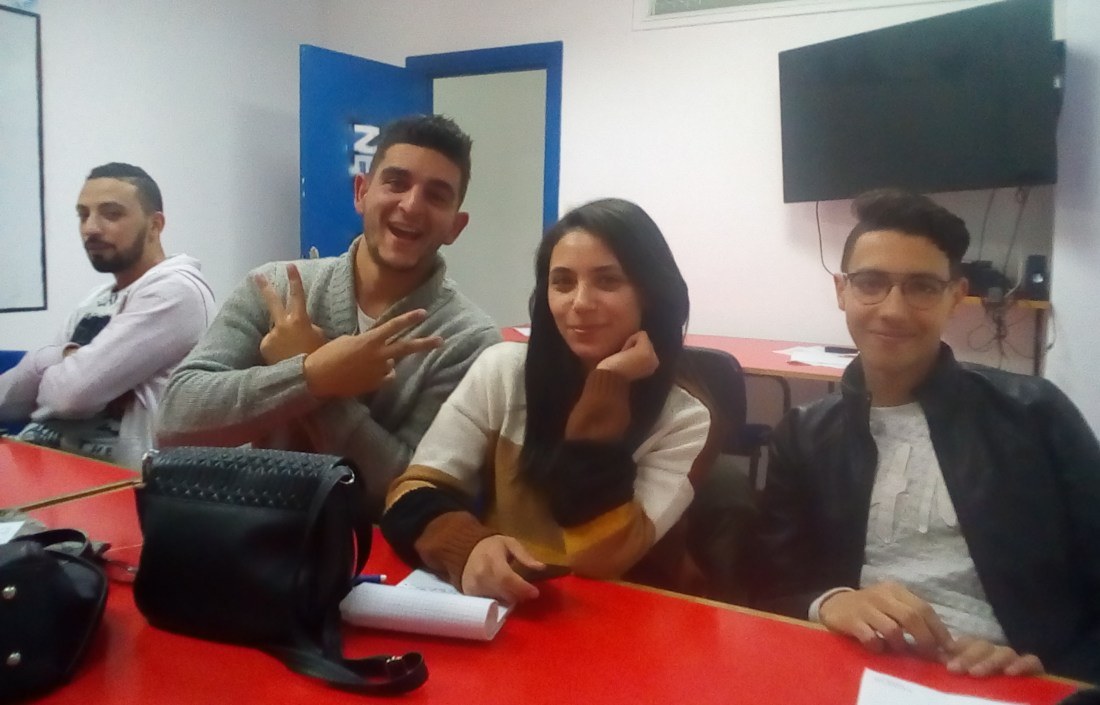 My job is simple. I sit down with a small group of students, speaking my first language to have a random discussion. They ask me many questions about myself and America, and in turn, I ask about them and Morocco, which can be the best way for a tourist to learn about where they are. I learned a great deal from my students about Marakech and Southern Morocco, and its people, the Berbers, before I even went there. They told me of the southern snow-capped mountains adjacent to the Moroccan Sahara, of the fact that the rudimentary Arabic I was learning at the academy, would help me little with the Berbers whom have their own separate dialect. With great expectations, I found this all to be true on a four day excursion to the south, a trip to Marikech, then through the Atlas Mountains, and a one-night camping adventure in the western Sahara Desert, complete with my own riding camel to get me out there.